

Choosing Between Start-Stop and Flying Shear Cut to Length Lines
You will see the big difference between start-stop and flying shear cut to length lines in how they cut. Start-stop systems stop the sheet before each cut. Flying shear models cut while the material keeps moving. You should think about your speed, accuracy, and material type before you choose a system. There are other types, but these two work for most factories today.
Key Takeaways
- Start-stop lines work best for small jobs and thin sheets. They are very accurate but move slower.
- Flying shear lines cut metal while it moves. They are good for big jobs and thick materials. They are fast and make nice cuts.
- Think about your goals and what materials you use. Pick the machine that fits your needs for the best results.
- Start-stop lines save money for small jobs. Flying shear lines cost more at first but help big factories work faster.
- Both systems need regular care. Start-stop lines are easier to fix. Flying shear lines need skilled workers to keep them running.
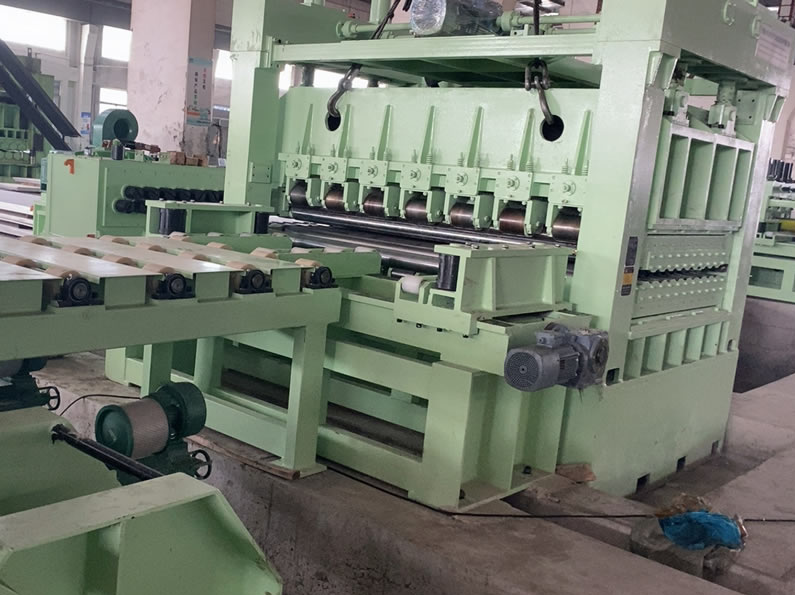
Cut to Length Line Types Overview
When you work with metal, you will see different cut to length line systems. Each system is best for certain jobs in your factory. You should learn how each one works before you pick.
Start-Stop Cut to Length Line
Start-stop cut to length line systems are easy to use. The machine moves the metal sheet forward, then stops it. After stopping, it cuts the sheet to the right length. This gives you good accuracy because the metal does not move when cutting. This system is good if you have small or medium jobs. It is also good if you need exact cuts for thin sheets. Start-stop lines are best when you do not need fast speed.
Flying Shear Cut to Length Line
Flying shear cut to length line systems cut metal while it moves. You do not have to stop the sheet for every cut. This helps you work faster and handle more metal. You get clean cuts because hydraulic shears are used. The machine spreads the work out, so it lasts longer. Flying shear systems help lower problems like burrs and bends. You save metal because there are no chips.
Tip: Flying shear lines are best when you want fast work and great quality for thick or heavy metal.
Feature/Advantage | Description |
Hydraulic shears give you exact cuts. | |
Absence of metal losses | No chips means you keep more metal. |
Uniform load distribution | The machine lasts longer with even work. |
Reduction of cutting defects | Shaped knives help stop burrs and bends. |
Other Cut to Length Line Types
You might see other cut to length line systems, like rotary shear lines or oscillating shear lines. These are for special jobs or special metals. Most factories use start-stop or flying shear lines because they work for most needs.
Note: Cut to length lines and slitting lines are not the same. Cut to length lines make flat sheets for other uses. Slitting lines cut coils into thin strips for tubing or stamping.
Feature | Coil Slitting Lines | |
Function | Uncoil, level, straighten, and cut metal into set lengths | Slit wide coils into thin strips |
Output | Flat sheets of metal for more work | Thin strips or coils for many uses |
Key Benefits | Exact cutting, many uses, better flatness | Use more metal, custom widths, fast and efficient |
Ideal For | Factories needing flat sheets for making things | Factories needing thin coils for tubing or stamping |
Comparison Table
Features Side-by-Side
You can see the main differences between start-stop and flying shear systems in the table below. This helps you choose the right machine for your work.
Feature | Start-Stop Lines | Flying Shear Lines |
Mechanical Configuration | Simple design. You may face problems if one part fails. | Complex setup. All parts must move together for good cuts. |
Cutting Mechanism | Stops the sheet before cutting. Needs careful handling to stay safe. | Cuts while the sheet moves. Needs exact control for length and quality. |
Operational Reliability | You can add backup machines for better reliability. | Hard to add backups. All parts must stay in sync, so reliability is very important. |
Note: Both systems need regular checks to keep them running well. You should train your team to spot problems early.
Applications
You will find each cut to length line works best in different situations. Here are some common uses:
- Start-stop lines work well for small or medium jobs. You can use them for thin sheets or when you need high accuracy.
- Flying shear lines fit high-speed jobs. You should use them for thick or heavy metal, or when you want to process large volumes.
- Many factories use start-stop lines for making panels, roofing sheets, or small parts.
- Flying shear lines often help in car factories, shipyards, or places that need fast and heavy-duty cutting.
If you want to choose the best system, think about your job size, speed needs, and the type of metal you use.
System Operation
Start-Stop Line Process
You will find the start-stop line process simple and easy to follow. The machine pulls the metal sheet from the coil and moves it forward. When the sheet reaches the set length, the line stops. The shear then cuts the sheet. After cutting, the machine starts again and repeats the process. This stop-and-go action helps you get accurate cuts every time. You can adjust the length and speed to match your needs. Many operators like this system because it is safe and easy to control.
Tip: Start-stop lines work best when you need high accuracy and do not need to cut large volumes quickly.
Flying Shear Line Process
The flying shear line uses a more advanced process. You do not need to stop the metal to make a cut. The machine keeps the metal moving, which helps you save time and boost production. Here is how the flying shear process works:
- The metal enters a tunnel thermostat. This step keeps the temperature steady and lines up the sheet before the first stand.
- A bursting scissors cuts off the metal if you need to stop or fix a problem.
- The metal goes through three rolling groups: draft, intermediate, and finishing. Each group uses special stands to shape the metal.
- The roughing and intermediate groups roll the metal with little tension and no tilting.
- After these groups, a crank-lever shear trims the front and back ends of the roll.
- The finishing group uses a loop control system to keep the process smooth.
- The finished metal moves to an accelerated cooling unit. This step makes the metal stronger.
- The machine cuts the steel to the right length and sends it to the feeding roller table.
- A flying shear cuts layers of finished bars to the final length.
- The finished products go to the finishing area, where workers bundle or stack them for storage or shipping.
Flying shear lines help you handle large jobs fast. You get strong, clean cuts without stopping the line.
A cut to length line with a flying shear can help you meet high production goals and keep quality high.
Decision Factors for Cut to Length Line
Speed and Volume
You need to think about how fast you want to work and how much metal you need to cut each day. Start-stop lines move at a slower pace. These lines stop the metal before each cut, so you get steady results but not high speed. If you run a small shop or handle short production runs, this system works well. Flying shear lines keep the metal moving while cutting. This means you can process more material in less time. Large factories often choose flying shear lines when they need to meet big orders or tight deadlines.
If your business grows and you need to boost output, a flying shear line helps you keep up with demand.
Material and Thickness
You should match your machine to the type and thickness of metal you use. Start-stop lines handle thin sheets best. These lines work well with soft metals like aluminum or mild steel. If you try to cut thick or hard metal, the stop-and-go action can cause problems like bending or uneven edges. Flying shear lines handle thick and heavy metals with ease. These lines use strong hydraulic shears that cut through tough materials without stopping.
If you work with steel plates or heavy coils, flying shear lines give you better results.
Precision and Quality
Cutting accuracy and finished product quality matter for every job. You want each piece to meet your standards. The way each system cuts affects the final product. Look at the table below to compare both systems:
Cutting Precision | Finished Product Quality | |
Flying Shear | High | Improved due to continuous cutting |
Start-Stop Shear | Variable | May be affected by synchronization issues |
Flying shear lines give you high precision. The metal keeps moving, so you avoid marks or bends from stopping and starting. You get smoother edges and better quality. Start-stop lines can give you good results, but sometimes the stopping motion causes small errors.
If you need perfect cuts every time, flying shear lines offer more control.
Maintenance
You need to keep your machines in good shape to avoid downtime. Start-stop lines have a simple design. You can spot problems quickly and fix them without much trouble. Spare parts are easy to find, and most workers can handle basic repairs. Flying shear lines use more complex parts. These machines need skilled workers for repairs and regular checks. If you choose a flying shear line, plan for more training and a detailed maintenance schedule.
Regular checks and cleaning help both systems last longer and work better.
Cost
You should look at both the price to buy the machine and the cost to run it. Start-stop lines cost less to buy. These lines use less power and need fewer repairs, so you save money over time. Flying shear lines cost more at the start. These machines use advanced controls and strong parts, so the price goes up. You also spend more on training and upkeep. If you need to cut a lot of metal fast, the higher cost pays off because you finish jobs quicker and take on more work.
Think about your budget and your long-term goals before you choose a cut to length line.
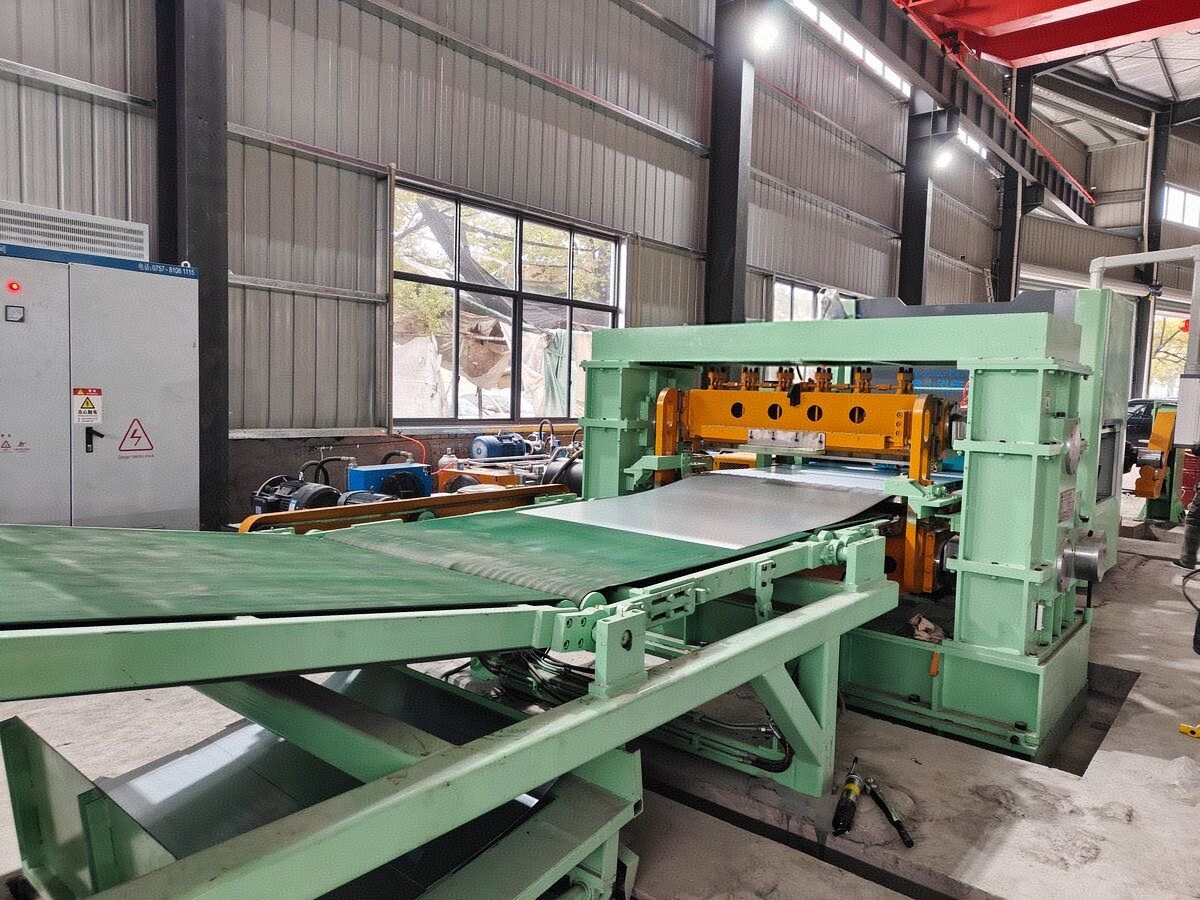
Application Scenarios
When to Use Start-Stop Cut to Length Line
You should choose a start-stop system when you want high accuracy and do not need fast speed. This type works best for small or medium jobs. If you cut thin sheets or softer metals, you will get clean and straight edges. You can also use this line if you need to change the sheet length often. Many shops use start-stop lines for custom orders or short runs. You will find it easy to set up and safe for your team.
Tip: Start-stop lines help you save money if you do not need to cut large amounts of metal every day.
When to Use Flying Shear Cut to Length Line
You should pick a flying shear system when you need to cut thick or heavy metal at high speed. This line works well for big jobs and long production runs. You can keep the metal moving, so you finish more work in less time. If you want smooth edges and less waste, flying shear lines give you these results. You will also see less wear on the machine because the load spreads out. This system fits best in large factories or places with tight deadlines.
Flying shear lines help you reach your production goals when you need both speed and quality.
Industry Examples
You can see how each system fits different industries:
Industry | Best System | Common Products |
Construction | Start-Stop | Roofing sheets, wall panels |
Automotive | Flying Shear | Car body panels, chassis parts |
Appliance Making | Start-Stop | Refrigerator panels, covers |
Shipbuilding | Flying Shear | Hull plates, deck sections |
A cut to length line helps you match your machine to your job. You can choose the right system for your needs by looking at your material, speed, and job size.
Cost and ROI
Investment
You need to look at the upfront cost before you choose a cut to length line. Start-stop lines usually cost less. These machines use simple parts and basic controls. You can set them up quickly and start working soon. Flying shear lines cost more. These systems use advanced technology and strong hydraulic shears. You pay more for installation and training. If you want to handle large jobs or thick metal, you may need to invest in a flying shear line.
Tip: Make a list of your production needs. Compare the price of each system with the features you want.
System Type | Typical Initial Cost | Setup Time | Training Needed |
Start-Stop Line | Lower | Short | Basic |
Flying Shear Line | Higher | Longer | Advanced |
Operating Costs
You must think about the money you spend to run your machine every day. Start-stop lines use less power. You pay less for repairs because the design is simple. Workers can fix most problems fast. Flying shear lines use more energy. These machines need skilled workers for maintenance. You may spend more on spare parts and regular checks.
- Start-stop lines: Lower energy bills, fewer repairs, easy upkeep.
- Flying shear lines: Higher energy use, more complex repairs, skilled staff needed.
Track your monthly costs. This helps you see which system fits your budget.
Long-Term Value
You want your investment to last and give you good returns. Start-stop lines work well for small jobs and custom orders. You save money if you do not need high speed. Flying shear lines help you grow your business. You finish big jobs faster and take on more orders. These machines last longer because the load spreads out. You may pay more at first, but you earn more over time.
Note: Choose a system that matches your future goals. Think about how your needs may change as your business grows.
Choosing Your Cut to Length Line
You have learned the main differences between start-stop and flying shear cut to length lines. Start-stop lines work best for small jobs and thin sheets. Flying shear lines help you cut thick metal quickly.
- Choose start-stop for accuracy and low cost.
- Pick flying shear for speed and heavy-duty work.
Think about your production goals and material types. You can talk with experts to find the best solution for your factory.
FAQ
What is the main difference between start-stop and flying shear cut to length lines?
You see start-stop lines stop the metal before cutting. Flying shear lines cut while the metal moves. This difference affects speed, accuracy, and the type of metal you can process.
Which cut to length line works best for thick metal?
You should use a flying shear line for thick or heavy metal. The machine cuts without stopping, so you get smooth edges and high speed.
Tip: Flying shear lines handle tough jobs better than start-stop lines.
How do I choose the right cut to length line for my factory?
You need to look at your job size, speed needs, and material type. Start-stop lines fit small jobs and thin sheets. Flying shear lines work for large jobs and thick metal.
Job Type | Best System |
Small, precise | Start-Stop Line |
Large, fast | Flying Shear |
Do flying shear lines need more maintenance?
You must plan for more maintenance with flying shear lines. These machines use complex parts and need skilled workers for repairs. Regular checks help you avoid downtime.