

How to Choose the Right Pickling and Annealing Line for Your Plant?
You need to pick equipment that fits your plant’s needs. You should think about how much you make. You should also think about what metals you use. You need to know what quality you want. The space in your building is important too. The right pickling and annealing line helps you work faster. It helps you make better products. It helps you save money. This guide gives you useful tips and easy steps.
Key Takeaways
- Pick a pickling and annealing line that fits your plant’s needs. Think about how much steel you work with and what metals you use.
- Look for automation features in your line. Automation helps things go faster. It also lowers mistakes and keeps workers safe.
- Check the line’s speed and how fast it cools. A fast line helps you make more steel. The right cooling keeps the steel strong.
- Make sure the line follows safety rules. Find lines with safety stops, guards, and alarms. These keep workers safe and follow the law.
- Choose a manufacturer you can trust. They should have experience and good support. You should get spare parts fast to avoid delays.
Pickling and Annealing Line Overview
What Is a Pickling and Annealing Line
A pickling and annealing line is a key part of steel processing. You use this line to clean and treat steel coils before they move to the next step. The process has two main stages: pickling and annealing.
Here is a simple table that shows what each stage does:
Function | Description |
Pickling | You immerse steel coils in acid tanks. This step removes oxide layers and impurities(https://herosteels.in/processes). It prepares the surface for treatments like galvanizing or painting. |
Annealing | You heat the steel, let it soak, and then cool it in a hydrogen atmosphere. This step improves the steel’s properties. It also gives a clean surface finish and stops new oxidation. |
You need a pickling and annealing line to make sure your steel is clean and strong. This line helps you get the right surface for further work. It also makes the steel easier to shape and use.
Why the Right Line Matters
Choosing the right pickling and annealing line affects your plant’s results. The equipment you pick changes how well your plant runs and the quality of your products. If you use advanced pickling, you get cleaner surfaces. Uniform annealing makes your steel stronger and more reliable.
Here is a table that shows how your choice impacts your plant:
Feature/Benefit | Description |
Surface Cleanliness | Advanced pickling gives you cleaner steel, which is important for high-quality products. |
Mechanical Properties | Good annealing improves the steel’s strength and performance. |
Production Efficiency | Fast and flexible lines help you make more steel in less time. |
Shape Control | When you combine the line with cold rolling, you get better control over the steel’s shape. |
Environmental Compliance | The right line helps you meet environmental rules and keep your plant sustainable. |
Tip: When you choose the right pickling and annealing line, you boost your plant’s efficiency and product quality. You also make sure your operations stay safe and eco-friendly.
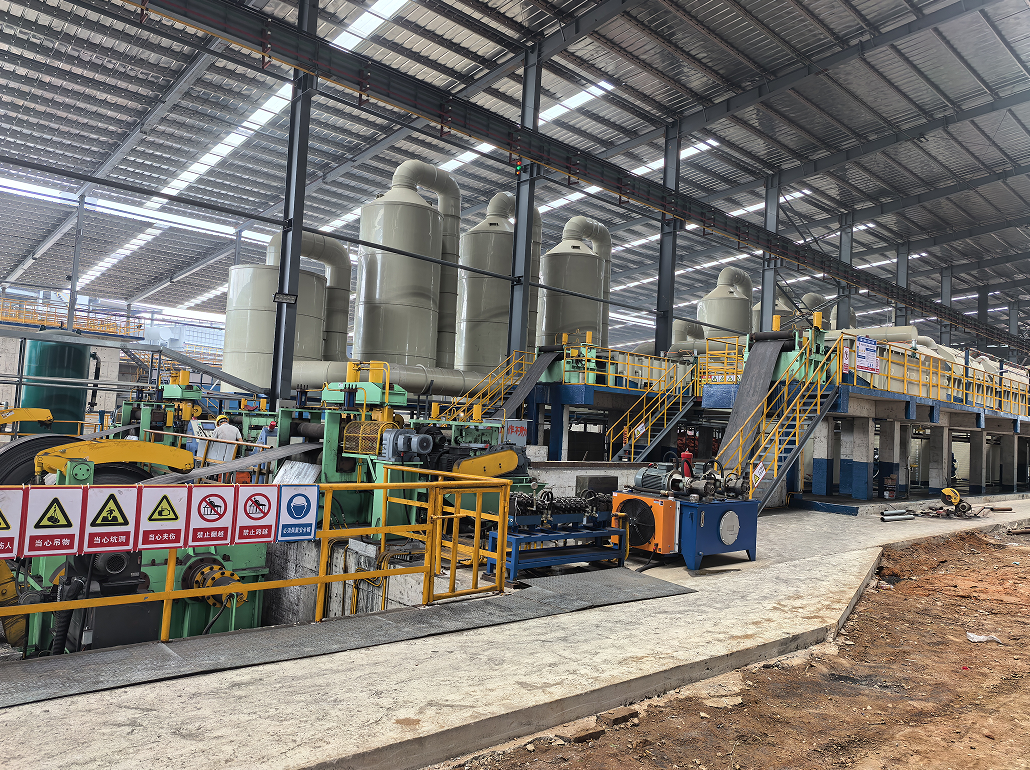
Key Specifications for Pickling and Annealing Lines
Line Speed and Throughput
You should check how fast your line works. Line speed means how much steel moves each minute. Throughput is how much finished steel you get in a certain time. If your line is fast, you can fill big orders. Slow lines can make work pile up and cause delays. Fast lines help you save both time and money.
Tip: Make sure your line speed matches your plant’s goals. If the line is too fast, quality can drop. If it is too slow, you waste time and money.
Cooling Rate in Annealing
The cooling rate changes how strong or soft steel is. You control cooling to get the right mix of strength and softness. Slow cooling makes steel softer and easier to shape. Fast cooling keeps steel hard but less bendy.
Here is a table that shows what happens with different cooling rates:
Resulting Microstructure | Effect on Material Properties | |
30 – 200 | Spheroidal carbide, coarse lamellar pearlite | Softening treatment, lower hardness |
Maximum 20 | Cooling until 290°C | Not critical after this point |
- Full annealing makes steel softer and easier to bend.
- You heat steel above a set point and cool it slowly.
- Higher annealing heat can make grains bigger, which lowers strength but makes steel easier to bend.
The heat you use for annealing changes the steel’s inside structure. More heat makes steel softer and more bendy. Less heat keeps it strong but harder to bend.
Automation Features
Modern lines use automation to make work safer and easier. Automation helps you control the process with less effort. It also makes fewer mistakes and keeps things steady.
- Automation cuts down on mistakes and makes work more exact.
- You get faster work and use less energy.
- Predictive maintenance helps you fix problems before they stop your line.
- Automation keeps workers safe by doing risky jobs.
- You save money because you need fewer workers and make fewer mistakes.
Note: Automation also helps your plant use less energy and make fewer errors.
Process Parameters and Control
You must control many things to get the best results. These include heat, acid strength, line speed, and soak time. Good controls let you change settings fast. This keeps quality high and cuts down on waste.
If you use advanced controls, you can make small changes to improve your steel. You also find problems early and fix them before they get worse.
Safety and Compliance
Safety is very important in steel plants. Your line should have safety stops, guards, and alarms. You must follow rules for acids and high heat. Good safety systems keep workers safe and help you avoid trouble.
Always check that your equipment meets all safety rules.
Energy Efficiency
Steel plants use a lot of energy. You should pick a line that saves energy. Look for heat recovery, good motors, and smart controls. Energy-saving lines lower your bills and help the planet.
- Automation can also help save energy by making work more exact.
- Energy-saving features help you follow green rules and cut pollution.
Material Compatibility
Not every line works with every metal. You must check if your line can handle your metals. Some lines use tanks made from plastics, FRP, or lined steel to fight acid.
Material Type | Description |
Plastics | Corrosion-resistant materials like polypropylene or polyethylene used in pickling tanks. |
FRP | Fiberglass-reinforced plastics that withstand acidic solutions. |
Lined Steel | Steel tanks lined with protective materials to resist corrosion. |
- Nickel and nickel-chromium alloys need a clean grain structure and stress relief.
- Titanium alloys need careful control to keep the right phases.
- Aluminum alloys need a shiny finish for cars and planes.
Annealing works for many alloys, but you must set the right heat and time for each one. Some alloys need heating between 300 and 410°C for 0.5 to 3 hours.
Maintenance Needs
Regular care keeps your line working well. You should pick lines that are easy to clean and fix. Some new lines warn you before something breaks. This helps you avoid stops and big repair bills.
Tip: Pick equipment with easy-to-change parts and clear guides. This saves time and keeps your plant running.
If you know these key points, you can pick a line that fits your plant and helps you reach your goals.
Types of Pickling and Annealing Lines
Push-Pull vs. Continuous Systems
You can pick between push-pull lines or continuous lines. Each one is good for different jobs. Push-pull lines work on one coil at a time. Continuous lines keep steel moving all the time.
Here is a table that shows how they are different:
Feature | Push-Pull Pickling Lines | Semi-Continuous & Continuous Pickling Lines |
Processing Type | Individual processing | High volume production with continuous operation |
Operational Flexibility | Excellent flexibility for changing dimensions | Consistent flow due to accumulators |
Cost-Effectiveness | Most cost-effective for medium volume production | Highly cost-effective due to simple accumulator design |
Thickness Range | 1.0mm to 6.0mm | Not specified |
Width Range | 200mm to 2000mm | Not specified |
Speed during Changeover | Reduced speed during changeover | Constant speed |
Push-pull lines let you change coil sizes fast. They are good if you have lots of small or special orders. Continuous lines help you make lots of steel without stopping. You save time because you do not need to stop for changes.
Tip: If you switch products a lot, push-pull lines are best. If you want to make a lot of steel, use continuous lines.
Integrated vs. Standalone Lines
You also need to pick between integrated lines and standalone lines. Integrated lines do pickling, annealing, and sometimes more steps together. Standalone lines only do pickling and annealing.
- Integrated lines save space and make moving steel easier. You do not need extra steps between jobs.
- Standalone lines let you control each step better. You can fix or upgrade one part without stopping everything.
Choosing the Right Type
Pick the line that fits your plant’s needs. If you make many different things, push-pull or standalone lines give you more choices. If you make lots of the same thing, continuous and integrated lines are better.
New technology makes these lines work even better. Hydrochloric acid pickling lines clean steel really well. The SIFLAT system helps keep steel flat. New continuous annealing lines make steel stronger and better.
Advancement Type | Description |
Hydrochloric Acid Pickling Line | Uses hydrochloric acid to clean steel strips more effectively. |
SIFLAT System | Controls the flatness of steel strips during processing. |
Continuous Annealing Line | Improves the quality and properties of steel with advanced heating and cooling. |
Note: Picking the right line helps your plant work better and make good products. Always think about what you want to make and what steel you use.
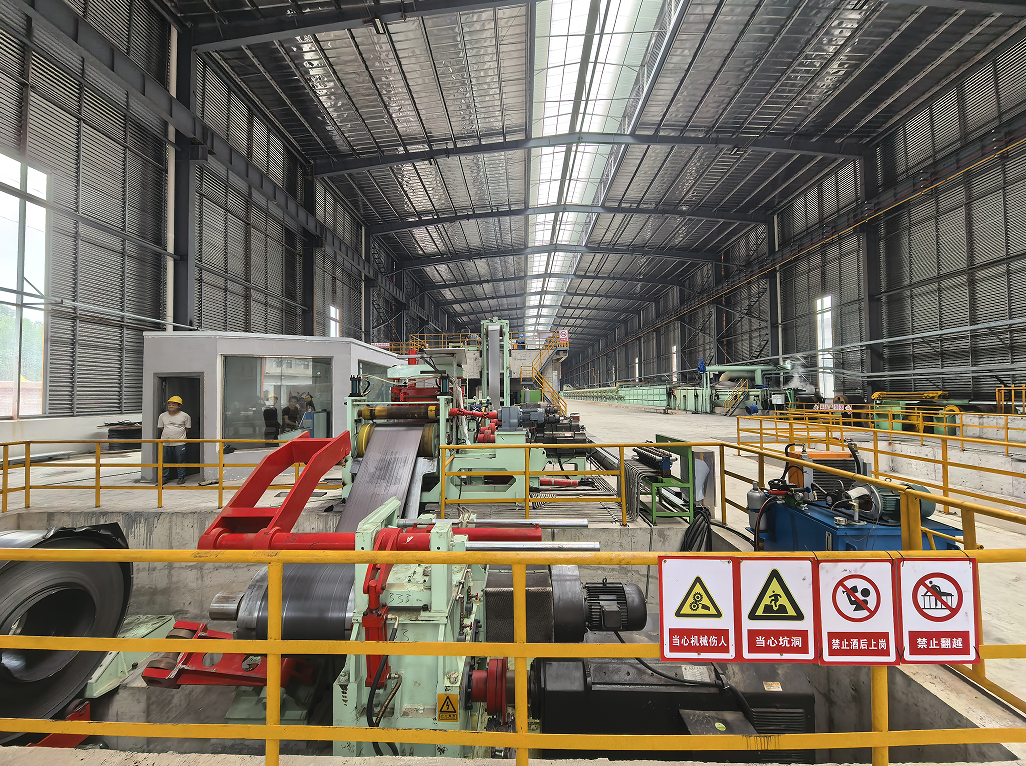
Selection Guide
Assessing Plant Needs
Begin by checking your plant’s daily jobs. Count how many coils you handle each day. Look at the metals you use. Measure the space for new machines. Think about your goals for quality and safety. Write down your main needs. This list helps you pick the right line.
Tip: Talk to your team about problems with your current line. Their answers show what you need to fix.
Matching Specifications
Match your plant’s needs to each line’s features. Look for lines that:
- Work with strong acids and tough conditions.
- Have good durability and resist chemicals.
- Clean steel strips or coils by removing rust and dirt.
- Get steel ready for rolling or coating.
- Use batch annealing furnaces to make steel better.
- Heat strips in a reducing atmosphere for the right grain.
- Give you choices for different strip sizes and steel grades.
- Are good for medium production amounts.
- Handle strips from 1.0mm to 6.0mm thick and 200mm to 2000mm wide.
Check if the line fits your space and power needs. Make sure it meets your safety and energy goals.
Evaluating Manufacturers
Pick a manufacturer with lots of experience. Find companies that give good support and training. Ask for references from other plants. Check if they send spare parts fast. Look at their warranty and service plans.
Criteria | What to Look For |
Experience | Years in business, past projects |
Support | Training, spare parts, service |
Reliability | References, warranty, reviews |
Note: A good partner helps you avoid costly stops.
Planning Installation
Plan your installation step by step. Make a clear timeline. Work with your supplier to get your site ready. Train your team before the new line comes. Test the line before you start full production. Keep safety first at every step.
- Make a checklist for each stage.
- Schedule regular updates with your supplier.
- Prepare backup plans for delays.
A good plan helps you start well and avoid problems.
You get better results when you pick the right equipment. Make sure the technical specifications fit what your plant needs. This helps you work faster and have fewer problems. Here is how it helps:
Key Aspect | Description |
Technical Specifications | You get machines that work well and last longer. |
Equipment Procurement | You buy machines that fit your work and your budget. |
Operational Outcomes | You have less downtime and make more products. |
Take time to think about what your plant needs. Talk to suppliers you trust. Start choosing your equipment now to make your plant stronger.
FAQ
What is the main purpose of a pickling and annealing line?
You use a pickling and annealing line to clean steel and improve its properties. Pickling removes rust and dirt. Annealing makes the steel softer or stronger, depending on your needs.
How do I know which line speed is right for my plant?
You should look at your daily production goals. If you need to process many coils quickly, choose a faster line. For smaller batches or special orders, a slower line works better.
Can I process different metals on the same line?
You can process different metals if your line supports them. Check the material compatibility before you start. Some lines work best with certain metals like steel, aluminum, or titanium.
What safety features should I look for?
You should look for emergency stops, safety guards, and alarms. Good lines also have systems to handle acids safely. Always check that your equipment meets safety rules.